

Saving money gets much easier when the goal is not to become a different person. If the plan depends on giving up takeout, canceling everything fun, or turning every purchase into a debate, it usually does not last. A better approach is to keep the same routines and remove the hidden extra costs around them: forgotten renewals, lazy pricing, avoidable fees, and small markups that repeat all month. If daily life looks basically the same after the change, it belongs on this list.
Start with the charges that keep happening on their own
The fastest savings usually do not come from occasional treats. They come from money leaving the account automatically. Start by scanning the last two months of bank and card activity and flag anything monthly, quarterly, or annual. If a charge repeats, even a modest cut can keep paying you back.

- Downgrade subscriptions before canceling them. An ad-supported, single-screen, or basic plan often keeps most of the value while lowering the monthly bill.
- Re-shop internet, cell, and insurance plans when the term renews. The service can stay almost identical even when the price improves.
- Turn off paper statement fees, out-of-network ATM habits, and other bank friction charges. These costs do not improve your life; they only punish inattention.
- Put every auto-renewal in one calendar with a reminder about a week early. That small step is often enough to stop another charge from slipping through.
- Choose annual billing only for services you already know you will use all year. Prepaying can save money, but it is a bad deal when interest fades quickly.
Pay less for the same routines you already have
The next layer is not about buying less. It is about refusing to overpay for the same groceries, meals, household basics, and planned purchases. Most people have a handful of categories they buy on autopilot. That is exactly where price leaks tend to hide.
- Use pickup for routine grocery runs. The list can stay the same, but skipping in-store impulse buys often trims the total without changing what comes home.
- Compare unit price, not package price, on repeat buys like detergent, coffee, snacks, paper goods, and pet food. Bigger containers are not always the cheaper choice.
- Set price alerts for planned purchases such as printer ink, headphones, replacement chargers, or small appliances. Waiting for a better price is different from going without.
- Order directly from restaurants or choose pickup when the meal itself is already part of the plan. Third-party app fees and markups can turn a normal dinner into a premium purchase.
- Ask about generic, store-brand, refill, or 90-day options for routine items. The smart comparison is product performance, quantity, or dose, not just the label.

Cheap is not always better. Rewards cards stop saving money the moment a balance carries interest, and annual plans stop being a bargain when they keep charging for something you barely use.
Make the savings stick before everyday spending absorbs them
A lot of good savings ideas fail for one reason: the money never becomes visible. A lower bill this month quietly turns into extra room for random spending next month. The fix is to capture each win quickly and build a system that protects it.
- Each time a bill goes down, raise an automatic savings transfer by the same amount. That turns a temporary win into a recurring result.
- Use one rewards card for regular spending only if it is paid in full every month. The benefit comes from discipline, not from chasing points.
- Turn on low-balance, due-date, and large-transaction alerts. A simple text or push notification can prevent late fees, overdrafts, and duplicate charges.
- Keep a small buffer in checking if paydays and autopay dates do not line up neatly. That cushion helps a good system avoid becoming a fee problem.
- Do one short money sweep every month. Review recent delivery fees, rising utility bills, app charges, and retailers that still have your card on file.
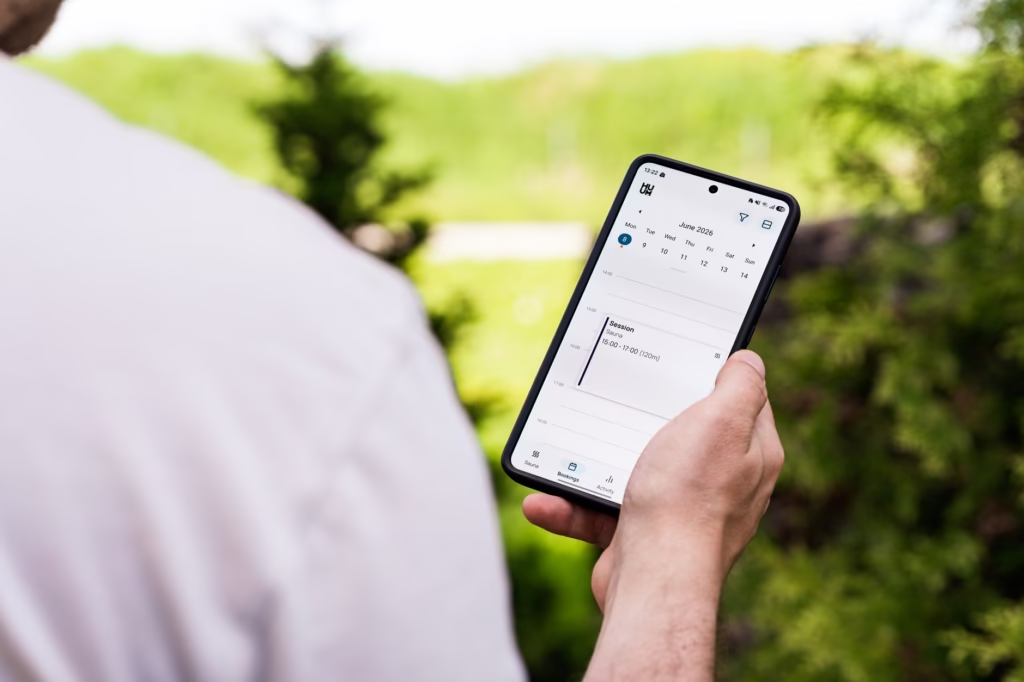
A 30-minute check that finds the easiest wins first
If the list feels long, do not try to fix everything at once. Start with the biggest repeated leaks. A quick review is usually enough to find a few changes worth making this week.
- Pull the last 60 days of bank and credit card transactions.
- Highlight recurring charges, delivery fees, renewals, and any bill that increased without a clear reason.
- Fix the three largest repeat costs first, because monthly savings matter more than one-time wins.
- Move the saved amount into a separate savings account the same day so it does not disappear into normal spending.
Saving money without changing your lifestyle is mostly about paying attention to defaults instead of desires. Trim the charges that repeat, lower the price of routines you plan to keep, and automate the savings before it drifts away again. A few quiet fixes can make next month feel easier without turning everyday life into a restriction plan.